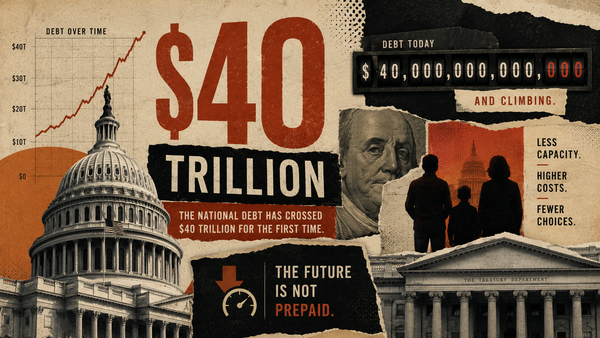
Washington just crossed another line on the national credit card: gross federal debt topped $38 trillion, barely ~10 weeks after we blew past $37T. The Treasury’s own “Debt to the Penny” data shows the jump; watchdogs clock the $1T sprint since mid-August as one of the fastest outside the pandemic. And yes, this is all landing during an ongoing federal shutdown. (Debt to the Penny)
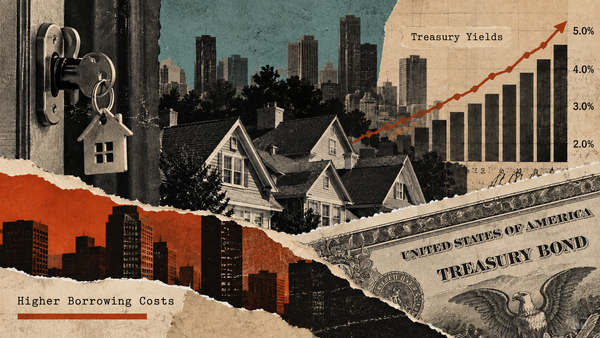
If you want the “so what,” start with interest. Net interest is now on a glidepath near $1 trillion this year and (per CBO’s baseline) overtakes defense outlays from 2025 onward. That’s not an internet hot take; it’s in the tables. Paying for yesterday is crowding out today. (Interest on the Debt)
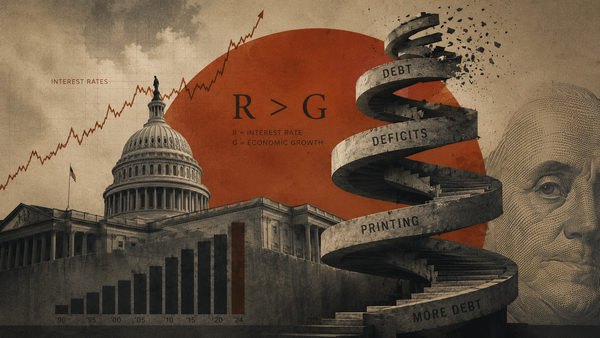
Last year’s deficit finished around $1.8 trillion; CBO’s latest monthly review pegs outlays up ~4% y/y and projects trillion-plus annual gaps as far as the eye can see. The math isn’t partisan; it’s arithmetic.
Federal drift, state consequence: Tennessee can’t budget around $38T forever.
Tennessee runs one of the country’s better-managed balance sheets, but we’re not an island. Roughly 42% of Tennessee’s state revenues come from federal sources. When Washington lurches from shutdown to debt spike to rate shock, those dollars (think TennCare, education grants, and infrastructure reimbursements) become timing-risk and policy-risk. Planning for volatility isn’t alarmism; it’s stewardship.
Bottom line: Debt at $38T during a shutdown isn’t just a Beltway headline. It’s a preview of a decade where interest eats budgets, trust funds hit the wall, and states like Tennessee must harden their fiscal position, before D.C.’s drift becomes our problem.