The fact that the federal government is now enduring the longest shutdown in U.S. history speaks volumes about the breakdown in budget process and fiscal stewardship. At its heart this is not merely a policy dispute—it is a failure of the institution charged with the “power of the purse,” namely Congress, to execute the most basic task of appropriating funding.
From a budget-discipline standpoint the implications are stark. When non-essential federal operations are halted, federal spending drops—but not in a planned, disciplined way. Instead of deliberate cost-cutting or reprioritisation, the interruption amounts to chaos.
According to the Congressional Budget Office (CBO), the current shutdown could permanently erase between $7 billion and $14 billion of output, and shave up to ~2 percentage points off GDP growth in Q4 if it drags on. That lost output is a by-product of institutional indiscipline—not a strategic reform.
Fiscal stewardship also suffers. The role of government is to ensure continuity in essential services, predictability in budgets, and trust in the public sector’s ability to fulfil its commitments.
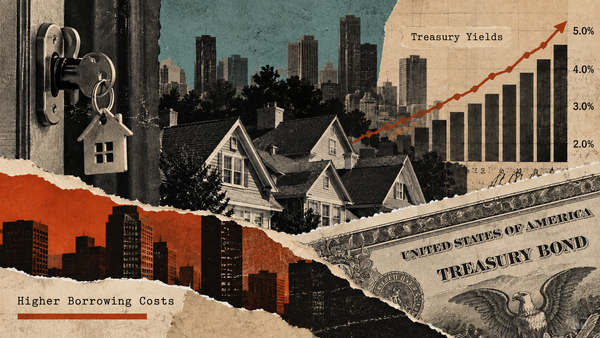
A shutdown signals the opposite: that the government cannot reliably meet its own obligations. That raises cost-of-borrowing risks, erodes confidence, and shifts the fiscal burden to private actors and states who must absorb ripple-effects (e.g., contractors, state pass-through funding).
What about Congress’s failure to act responsibly? Years of budget brinkmanship have taught us that when the appropriations process fails, agencies operate under stop‐gap measures or simply lapse.
The fact that this shutdown is happening at all means the annual cycle of twelve appropriations bills plus continuing resolutions has broken down. A responsible Congress should pre-empt these outcomes; instead what we have is political theatre with very real fiscal costs.
Then there is the expense of shutdowns. While historically many have been short and the immediate macro impact modest, the cumulative cost is real. One recent estimate puts typical growth drag at ~0.1–0.2 % of GDP per week of shutdown.
The cost of multiple weeks of lapse becomes material, especially when you include the loss of productive labour (furloughs), delayed contracts and postponed investment.
Finally we must ask: how often do these shutdowns yield measurable gains for the parties involved? The short answer: not often. The institutional record suggests that shutdowns rarely deliver durable policy wins.
They impose costs on the economy, citizens and government credibility, yet the underlying negotiation often ends with a compromise relatively close to what might have been achieved without the disruption.
One report notes that since 1976, despite the gridlock, the stock market has risen in 18 of 20 shutdowns in the following year—suggesting the market views the outcome as predictable rather than transformative. In other words, the political leverage gained is minimal compared to the economic loss.
Government shutdowns are not usually economic disasters; what they are is a public confidence catastrophe. The current shutdown demonstrates a failure of fiscal governance.
It undermines budget discipline, weakens stewardship of public-funds, and reflects a Congress unwilling or unable to act responsibly. The cost to the economy is not abstract—it is measurable, large and growing.
And yet the payoff for either side in Congress is marginal at best. The lesson for policymakers and model-builders alike: credible fiscal policy and clean appropriation processes are not just procedural niceties—they are foundational to macro-fiscal stability.